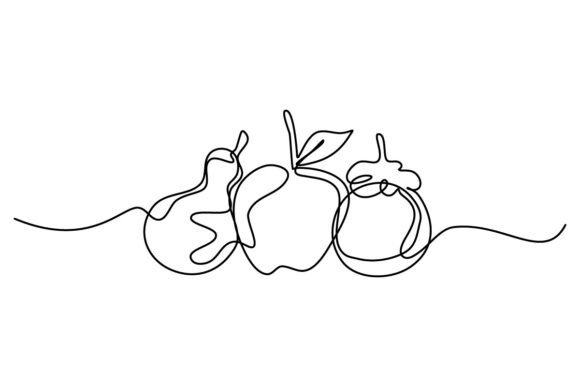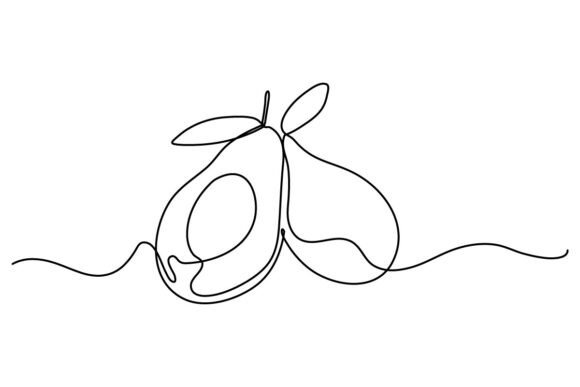
Pear One Continuous Line: A Unique Symbol of Elegance and Simplicity
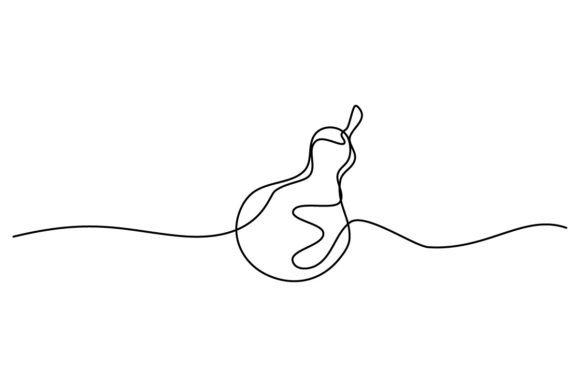
The Pear One Continuous Line is more than just a design—it’s a symbol of grace, simplicity, and artistic expression. This minimalist fruit symbol, drawn in a single continuous line, captures the essence of a pear in a way that is both elegant and versatile. Whether you're an artist, designer, or business owner, this design concept offers a powerful visual language that can enhance your creative projects, branding, or marketing materials.
Its appeal lies in its ability to convey meaning without complexity. The single-line approach makes it easy to recognize, adaptable across different mediums, and ideal for use in logos, illustrations, or decorative elements. The design concept also aligns with current trends in minimalism and clean aesthetics, making it a popular choice among professionals and hobbyists alike.
Why People Are Drawn to Pear One Continuous Line
Many people are attracted to the Pear One Continuous Line because of its versatility and aesthetic appeal. It works well as a standalone image or as part of a larger composition. Its simplicity allows it to be used in various contexts, from packaging design to digital illustrations. Additionally, the design's focus on a single, flowing line creates a sense of movement and continuity that can evoke a feeling of harmony and balance.
For creators, this design offers a foundation for customization. You can adjust the line weight, color, or add subtle details to match your specific needs. Its adaptability makes it suitable for both traditional and digital art forms, giving artists and designers the freedom to experiment while maintaining the core identity of the pear shape.
Common Mistakes When Working With Pear One Continuous Line
Despite its beauty and utility, there are several common mistakes that users may make when working with the Pear One Continuous Line. One of the most frequent errors is overcomplicating the design. While adding extra elements might seem like a way to enhance the image, it can often detract from the original simplicity that makes the design effective. A cluttered or overly detailed version may lose the clarity and impact of the single-line concept.
Another mistake is not considering the intended use of the design. For example, if you plan to use the Pear One Continuous Line in a logo, it should be scalable and recognizable at different sizes. If the line is too thin or intricate, it may become difficult to see when reduced in size. Similarly, if you’re using it for print, the resolution and file format must be appropriate to maintain quality.
Understanding File Formats: EPS, SVG, and JPG
When working with the Pear One Continuous Line, it’s important to understand the differences between file formats such as EPS, SVG, and JPG. Each has its own strengths and limitations. EPS (Encapsulated PostScript) is ideal for high-quality print work, as it maintains sharpness at any size. SVG (Scalable Vector Graphics) is perfect for digital use, allowing for smooth scaling without loss of quality. JPG (Joint Photographic Experts Group) is best suited for photographs or images with complex color gradients but is not recommended for line drawings due to potential compression artifacts.
Choosing the wrong file format can lead to poor results, especially if you're planning to use the design in multiple contexts. For instance, using a JPG version for a logo may result in pixelation when scaled up, while an SVG file might not be suitable for certain print applications. Always consider the final use case before selecting a file type.
How to Avoid Common Pitfalls
To get the most out of the Pear One Continuous Line, start by clearly defining your goals. Ask yourself: What will this design be used for? Who is the target audience? What message or emotion do you want to convey? These questions can help guide your choices and ensure that the design meets your needs.
Another practical tip is to test the design in different formats and sizes. Before finalizing your project, check how the Pear One Continuous Line looks in both large and small scales. This helps identify any issues with legibility or detail that may not be obvious at first glance.
Additionally, always verify the source of your design files. If you're downloading or purchasing the Pear One Continuous Line, make sure the files are high quality and properly formatted. Some free resources may lack the necessary resolution or vector data, which can limit your options for future use.
Realistic Examples and Better Approaches
Consider a scenario where a small business owner wants to use the Pear One Continuous Line in their brand identity. They might initially choose a low-resolution JPG file, only to find that it doesn’t look professional when printed on business cards or packaging. A better approach would be to invest in high-quality vector files like EPS or SVG, ensuring that the design remains crisp and clear at any size.
Another example involves a graphic designer who wants to incorporate the Pear One Continuous Line into a website. Instead of using a rasterized image, they opt for an SVG file, which allows the design to scale smoothly on different screen sizes. This decision improves the user experience and ensures consistency across devices.
What to Check Before Making a Decision
Before using the Pear One Continuous Line, take the time to evaluate your needs and the available options. Consider the following checklist:
- File Format: Choose the right format based on your intended use—EPS for print, SVG for digital, and JPG for photographs.
- Resolution: Ensure the design has sufficient resolution for your project, especially if you plan to print it.
- Customization: Check if the design allows for modifications, such as changing colors or adjusting the line style.
- Source Quality: Verify that the design comes from a reliable source and includes all necessary file types.
- Usage Rights: Confirm that you have the proper license to use the design for your specific purpose, whether personal or commercial.
By taking these steps, you can avoid many of the common issues that arise when working with this design and ensure that your final product meets your expectations.