Bringing Nature Indoors: The Timeless Appeal of Wooden Flower Design
There is something undeniably grounding about bringing natural elements into our living spaces. While fresh blooms offer a fleeting burst of color, Wooden Flower Design offers permanence, texture, and a unique artistic flair that synthetic plastics or dried arrangements simply cannot match. This isn't just about crafting; it's about curating an aesthetic that blends the organic warmth of wood with the delicate intricacy of floral art. Whether you are a DIY enthusiast looking for your next weekend project, a wedding planner seeking sustainable decor, or a graphic designer hunting for the perfect textured mockup, understanding the versatility of wooden floral art opens up a world of creative possibilities.
At its core, wooden flower design involves shaping, carving, or assembling wood into botanical forms. However, the modern interpretation goes far beyond simple whittling. Today, this art form spans from hand-carved rustic blossoms made from reclaimed driftwood to hyper-realistic, laser-cut veneers that mimic the fragile layers of a rose petal. The appeal lies in the tactile nature of the material. Wood grain adds depth and character, meaning no two flowers are ever exactly alike. This inherent uniqueness makes wooden designs particularly valuable for those seeking to avoid the mass-produced look that dominates home decor stores.
Transforming Events and Weddings with Sustainable Elegance
One of the most impactful real-world applications of wooden flower design is in the wedding industry. Couples today are increasingly conscious of sustainability and waste. Traditional floral arrangements, while beautiful, have a short lifespan and often involve significant carbon footprints due to transportation and refrigeration. Wooden flowers solve this dilemma elegantly. Imagine a bridal bouquet crafted from thin, flexible wood veneers, dyed in soft pastels to match the wedding palette. Unlike fresh flowers that wilt under hot lights or during long ceremonies, a wooden bouquet remains pristine throughout the day and becomes a cherished heirloom afterward.
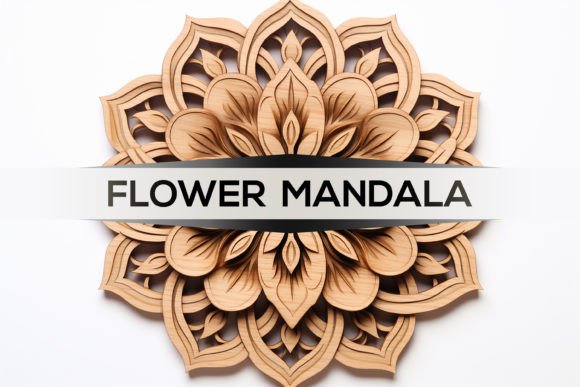
Beyond bouquets, wooden elements are revolutionizing wedding signage and table settings. A wooden mandala backdrop serves as a stunning focal point for ceremony photos, offering an abstract yet culturally rich aesthetic that appeals to bohemian and luxury themes alike. These designs often incorporate intricate cut-outs that play with light and shadow, creating a dynamic visual experience as the sun sets or venue lighting changes. For reception tables, small wooden floral centerpieces can be paired with candles and greenery to create a warm, inviting atmosphere without the allergy concerns or maintenance issues of fresh pollen-heavy blooms.
Elevating Brand Identity and Visual Marketing
In the corporate and creative sectors, the texture of wood conveys reliability, craftsmanship, and luxury. Graphic designers and branding experts frequently utilize wooden flower mockups to present their work in a way that feels tangible and premium. When showcasing a new logo or packaging design, placing it against a backdrop of abstract wooden florals or a 3D wooden mandala can instantly elevate the perceived value of the product.
Consider the scenario of a high-end skincare brand launching a new line of organic products. Using marketing imagery that features their packaging nestled among artistic wooden flowers reinforces the "natural" and "handmade" narrative of the brand without the messiness of real soil or water. Digital assets, such as fully layered PSD files featuring wooden art flowers, allow marketers to customize these scenes easily. They can adjust lighting, swap out text, or change the wood tone to align perfectly with their seasonal campaigns. This flexibility makes wooden design assets indispensable for creating cohesive visual identities that stand out in a crowded digital marketplace.
Home Decor and the Rise of Abstract Botanicals
For homeowners and interior designers, wooden flower design offers a bridge between modern minimalism and ethnic warmth. Large-scale wall art featuring abstract mandalas constructed from wooden petals creates a statement piece that anchors a room. These pieces work exceptionally well in living rooms, entryways, or meditation spaces where the goal is to induce calm and focus. The geometric precision of a mandala combined with the organic irregularity of wood grain creates a fascinating visual tension that keeps the eye engaged.
Furthermore, wooden flowers are incredibly versatile regarding color. While many appreciate the natural honey or walnut tones of the wood, these designs are also perfect canvases for paint. A monochromatic white wooden flower arrangement can look strikingly modern in a Scandinavian-style home, while a vibrantly painted, colorful mandala can inject energy into a neutral space. Because wood is durable, these decorations are also suitable for areas where fresh flowers would fail, such as bathrooms with high humidity or outdoor patios (provided the wood is treated).
Practical Considerations Before You Commit
While the aesthetic benefits of wooden flower design are clear, there are practical factors to consider before integrating them into your projects or home. First, understand the difference between solid wood carvings and veneer constructions. Solid wood pieces are heavy, durable, and best suited for standalone sculptures or sturdy signage. Veneer-based designs, often seen in intricate mandalas or delicate petals, are lightweight and excellent for wall hanging or layering, but they can be more fragile if mishandled.
Maintenance is another key consideration. Wood is a living material that reacts to its environment. In extremely dry conditions, untreated wood may crack; in high humidity, it might warp. If you are purchasing pre-made wooden art or designing your own, ensure the wood has been properly sealed or finished, especially if the piece will be exposed to direct sunlight or moisture. For digital designers using wooden flower mockups, pay attention to the resolution and layer structure of the files. High-quality assets, typically around 300 DPI with smart objects, ensure that the wood texture remains crisp and realistic when scaled for large format printing or high-resolution web displays.
The Intersection of Tradition and Technology
What makes the current landscape of wooden flower design so exciting is the fusion of traditional craftsmanship with modern technology. Laser cutting allows for patterns and intricacies that would be impossible to achieve by hand, enabling the creation of complex floral mandalas with mathematical precision. Yet, the finishing touches—sanding, staining, and assembling—often remain a manual process, preserving the human touch that consumers crave.
This hybrid approach has democratized access to wooden art. Hobbyists can now download vector designs, cut them on personal machines, and assemble their own custom wooden flowers. Similarly, professional designers can access vast libraries of editable templates to speed up their workflow without sacrificing quality. Whether it's a hand-carved rose sitting on a mantel or a digitally rendered wooden texture on a luxury perfume box, the essence of the material remains the same: it connects us to the earth while allowing for limitless creative expression.
Ultimately, embracing wooden flower design is about choosing longevity over transience. It is an acknowledgment that beauty doesn't have to fade. By incorporating these elements into weddings, branding, or home interiors, we invite a sense of stability and timeless elegance into our lives. As you explore options, whether you are holding a physical piece of carved wood or manipulating a digital layer in a design program, remember that the goal is to let the natural character of the material shine through, creating moments of quiet beauty in a fast-paced world.