Banana Leaves: Nature’s Versatile and Sustainable Resource
Banana leaves have been a part of human culture for centuries, serving as more than just a backdrop in tropical landscapes. These large, broad leaves are not only visually striking but also incredibly useful in various aspects of life. From culinary traditions to eco-friendly packaging, banana leaves offer a range of benefits that make them a valuable natural resource. In this article, we will explore the significance of banana leaves, their practical applications, and how they fit into modern life.
The Natural Beauty of Banana Leaves
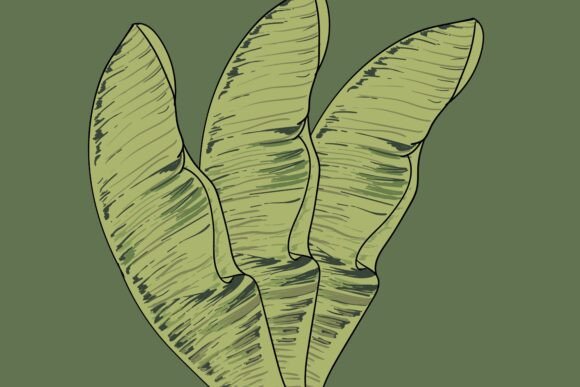
Visually, banana leaves are a marvel of nature. The image described features stylized illustrations of three elongated green leaves, each with smooth, curved shapes and pointed tips. These leaves showcase a variety of green shades, adding depth and texture to the design. Fine lines and subtle shading give them a natural, organic appearance, while the muted green background enhances their vibrant colors. This minimalist aesthetic makes banana leaves an ideal choice for botanical illustrations, logos, or decorative elements in graphic design.
The elegance and simplicity of banana leaves reflect their natural origins. Their shape and color are not just aesthetically pleasing but also functional. The large surface area of banana leaves allows them to serve multiple purposes, from wrapping food to providing shade in warm climates.
Historical and Cultural Significance
Banana leaves have played a significant role in many cultures around the world. In countries like India, Indonesia, and the Philippines, banana leaves are commonly used in traditional ceremonies and religious practices. They are often used as plates for serving food during festivals, weddings, and other special occasions. This practice is not only practical but also symbolic, representing purity and hospitality.
In addition to their ceremonial use, banana leaves have been an integral part of daily life for generations. In rural communities, they are used for cooking, storing food, and even as temporary roofing material. Their biodegradable nature makes them an eco-friendly alternative to plastic and paper products.
Practical Uses of Banana Leaves
Beyond their cultural and aesthetic value, banana leaves have numerous practical applications. One of the most common uses is in cooking. In many Asian cuisines, banana leaves are used to wrap food before steaming or grilling. This method not only imparts a subtle flavor but also helps retain moisture and nutrients. Dishes like banh mi in Vietnam or lumpia in the Philippines often feature banana leaves as a natural wrapper.
Another practical use of banana leaves is in packaging. As environmental concerns grow, more companies are turning to banana leaves as a sustainable alternative to plastic. They can be used to wrap fruits, vegetables, and even baked goods. Unlike synthetic materials, banana leaves are compostable and do not contribute to long-term waste.
Modern Applications and Sustainability
In today's world, where sustainability is a top priority, banana leaves are gaining renewed attention. Their biodegradable properties make them an excellent option for reducing plastic waste. Many eco-conscious businesses are incorporating banana leaves into their product designs, from biodegradable containers to natural packaging materials.
Moreover, banana leaves are being explored in the field of biomaterials. Researchers are studying their structural properties to develop new types of sustainable materials for construction, textiles, and even medical applications. The strength and flexibility of banana leaves make them a promising resource for innovation.
Banana Leaves in Daily Life
Even in urban settings, banana leaves can be a useful addition to daily life. For instance, they can be used as natural dishware for picnics or outdoor gatherings. Their large size makes them ideal for holding salads, fruits, or snacks. Additionally, banana leaves can be used as a natural mulch in gardening, helping to retain soil moisture and suppress weeds.
For those interested in DIY projects, banana leaves can be transformed into crafts such as wall art, decorative baskets, or even temporary furniture. Their versatility allows for creative expression while promoting a connection with nature.
Common Misconceptions About Banana Leaves
Despite their many benefits, there are some misconceptions about banana leaves that may prevent people from using them. One common assumption is that banana leaves are difficult to work with or require special preparation. However, with a little guidance, they can be easily used for cooking, crafting, or other purposes.
Another misconception is that banana leaves are only relevant in tropical regions. While they are more commonly found in warmer climates, banana plants can be grown in a variety of environments, making their leaves accessible to a wider audience. Additionally, dried banana leaves can be purchased online, allowing people from all over the world to enjoy their benefits.
How to Use Banana Leaves Effectively
If you're interested in using banana leaves, here are a few tips to get started:
- Preparation: Before using banana leaves for cooking, rinse them thoroughly and pat them dry. Some recipes may require soaking the leaves in water for a short period to make them more pliable.
- Cooking: When wrapping food in banana leaves, ensure that the edges are securely folded to prevent leakage. Place the wrapped food on a baking sheet or in a steamer for even cooking.
- Decorative Use: For artistic purposes, banana leaves can be arranged in a vase or used as a base for floral arrangements. Their natural texture adds a unique touch to any setting.
The Future of Banana Leaves
As the world continues to seek sustainable solutions, the potential of banana leaves is only beginning to be explored. With advancements in technology and a growing awareness of environmental issues, banana leaves may play an even greater role in the future. From biodegradable packaging to innovative materials, their versatility ensures that they will remain relevant for years to come.
Whether you're a chef, an artist, or simply someone looking for eco-friendly alternatives, banana leaves offer a natural and practical solution. By embracing these leaves, we can honor their rich history while contributing to a more sustainable future.